Vape Culture: Understanding the Growth of Vaping in Modern Society
Vape culture has emerged as a prominent phenomenon among millennials and young adults, motivated by the search for better alternatives and an array of flavor selections. Social media amplifies this trend, presenting vaping as a socially acceptable choice. Nevertheless, the health-related consequences continue to be disputed, raising questions about safety. As vape shops evolve into community hubs, the dynamics of this lifestyle continue to shift. Where is this rapidly developing culture headed?
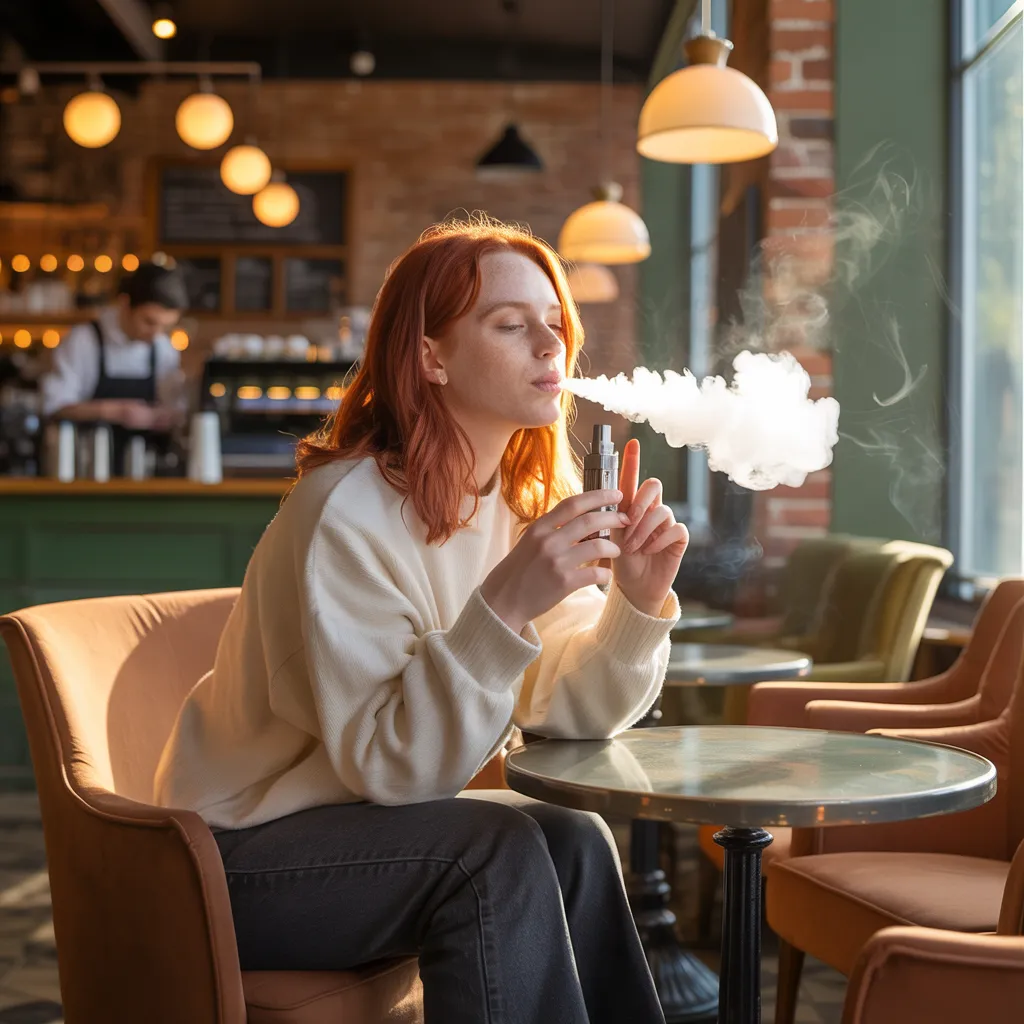
Why Are People Switching to Vaping?
As knowledge of the health hazards connected to traditional cigarette use expands, a growing number of people are turning to vaping as an apparently less harmful substitute. This change is motivated by a variety of influences, including the appeal of flavors and customizable options that vaping devices provide. Many users appreciate the varied flavors, which range from fruity to dessert-inspired, making the experience more enjoyable compared to conventional tobacco. Additionally, vaping is often viewed as a more socially acceptable practice, particularly among younger demographics. The technology behind vaping devices also allows for a level of control over nicotine intake, appealing to those looking to reduce consumption gradually. Moreover, the perception that vaping is less intrusive and has fewer lingering odors than smoking contributes to its rising popularity. Consequently, a wide variety of people, ranging from ex-smokers to those newly introduced to nicotine, are progressively transitioning to vaping.
Can Vaping Be Considered Safe? The Health Controversy?
How does vaping measure up against conventional smoking in terms of safety? This topic has generated significant discussion among medical experts and everyday people. While vaping is often marketed as a safer alternative to smoking, the reality is more complex. Electronic cigarettes generally have fewer harmful compounds than conventional cigarettes, which may potentially lower certain health hazards. Nevertheless, vaping continues to deliver dangerous substances into the body, such as nicotine, which may result in dependency and possible heart-related complications.
New findings have raised questions about the extended health effects of the inhalation of vaporized materials, particularly since numerous components found in e-liquids have not been thoroughly studied. Moreover, reports of lung damage linked to vaping have emerged, compounding the existing concerns about its safety. Ultimately, while vaping may be less harmful than conventional smoking, it is not without its dangers, demanding thoughtful evaluation from both users and policymakers.
Who Is Getting Into the Vaping Trend?
Who finds appeal in the vaping phenomenon? Vaping attracts a wide variety of people, spanning various age groups and backgrounds. Young adults, particularly those in their late teens to early twenties, frequently look for substitutes to conventional cigarettes, seeing vaping as a trendy and modern personal choice. A significant number are influenced by the belief that vaping poses fewer health risks and offers a customizable experience through various flavors and nicotine levels.
Furthermore, previous smokers moving toward vaping form a substantial group. They may see it as a means to reduce nicotine consumption while still enjoying the jump in act of inhaling. Some individuals are also driven by curiosity, as the communal nature of vaping draws in those seeking to bond with others or discover new experiences. The accessibility of the trend, coupled with its perceived uniqueness, continues to welcome a broad range of enthusiasts into the vaping world.
The Way Social Media Influences Vape Culture
In what way does social media impact the vaping community? Social media channels have emerged as key drivers in popularizing and normalizing vaping across diverse audiences. By sharing visually compelling content, influencers present vaping as a lifestyle decision, frequently highlighting its visual appeal and communal dimensions. Hashtags and challenges related to vaping create a sense of community, encouraging users to share their experiences and preferences. Additionally, platforms like Instagram and TikTok allow users to produce and disseminate tutorials, vape tricks, and product reviews, enhancing the visibility of vaping products and brands.
This continuous exchange cultivates an environment where vaping is not just a practice but a form of self-expression. The pervasive influence of social media magnifies patterns, leading to quick transformations in consumer preferences. Therefore, social media serves as a double-edged sword, both spreading knowledge about vaping and possibly romanticizing the practice, particularly among a younger generation.
The Ways Vaping Shapes Lifestyle Choices
Vaping has emerged as a major influence on modern lifestyle decisions, impacting a wide range of aspects from social dynamics to personal expression. For a great number of people, vaping acts as a social catalyst, enabling connections across both relaxed and professional environments. Engaging in vaping commonly produces a mutual experience among its users, nurturing community relationships and defining expectations around group interactions.
In addition, vaping has redefined personal identity for some individuals, differentiating them from traditional smokers or non-smokers. The selection of flavors, devices, and brands permits users to display their unique tastes, cultivating a sense of uniqueness.
In addition, wellness perspectives surrounding vaping have triggered shifts in daily habits; some users see it as a better replacement for traditional smoking, while certain individuals weave it into health and fitness conversations. In the end, vaping affects behaviors connected to socializing, self-expression, and health, showcasing its remarkable reach across present-day living habits.
Vape Retailers: Community Spaces for Enthusiasts
In the evolving landscape of vaping culture, vape shops have become essential gathering places for vaping enthusiasts. These establishments serve as gathering places where customers can connect over their mutual passion for vaping. Going beyond simple retail, vape shops frequently organize community events, such as tasting sessions and hands-on workshops, cultivating a sense of community among customers.
The experienced staff consistently share useful knowledge into the newest devices and e-liquid options, improving the overall vaping journey. This tailored service fosters trust and loyalty among the community. Additionally, vape shops often create welcoming environments, facilitating social engagement among patrons, which may develop into lasting friendships and support systems.
As vaping continues to gain popularity, these shops serve a vital role in forming a culture built on exploration and education. By emphasizing community participation, vape shops not only contribute to individual experiences but also aid in building a dynamic, interconnected vaping culture.
Future Trends in Vape Culture
In what ways will vape culture transform as technology and social perspectives change? As vaping technology advances, innovations such as smart devices and customizable options are likely to attract a wider audience. Improved user interfaces and application integrations could enable customized experiences, giving consumers the ability to monitor their usage and flavor choices. Moreover, the rising priority placed on health and wellness could transform attitudes, fostering broader acceptance of vaping as a less detrimental option compared to traditional smoking.
Legislative shifts will also be significant as regulatory bodies enforce stronger guidelines, producers could prioritize openness and excellence, encouraging a more ethical marketplace. Societal views are likely to change further, with vaping gaining wider acceptance in popular culture, comparable to the craft beverage or specialty drink movement. Fundamentally, the evolution of vaping will be defined by a combination of technological advancement, legislative guidance, and shifting societal views, shaping a distinct identity within contemporary society.
Commonly Asked Questions
What Flavors Are Most Popular Among Vapers Today?
Fruity flavors, especially mango, watermelon, and berry, dominate the vaping market today. Dessert flavors, like vanilla custard and chocolate, also remain highly popular, drawing in those who desire rich and satisfying vaping experiences.
What Is the Typical Monthly Cost of Vaping?
Monthly vaping costs typically range from $30 to $100, varying with device type, usage habits, and e-liquid preferences. Regular users might notice significant cost variations according to personal preferences and consumption patterns.
Are There Age Restrictions for Purchasing Vape Products?
There are indeed age restrictions when it comes to purchasing vape products. Across many areas, individuals must be at least 18 to 21 years old, according to local legislation, to legally purchase vaping devices and related accessories.
Can Vaping Help People Quit Smoking Entirely?
Vaping can help certain people stop smoking altogether by providing a less harmful alternative. Nevertheless, its results differ from person to person, and dependence on vaping may result in ongoing nicotine addiction for some.
What Are Widespread Misconceptions About Vaping?
Common misconceptions about vaping include beliefs that it poses no health risks, that it is free of dangerous chemicals, and that it exclusively leads to cigarette smoking. These false beliefs may shape attitudes and actions related to vaping.